

Flat Roof Systems & Installation in New Jersey
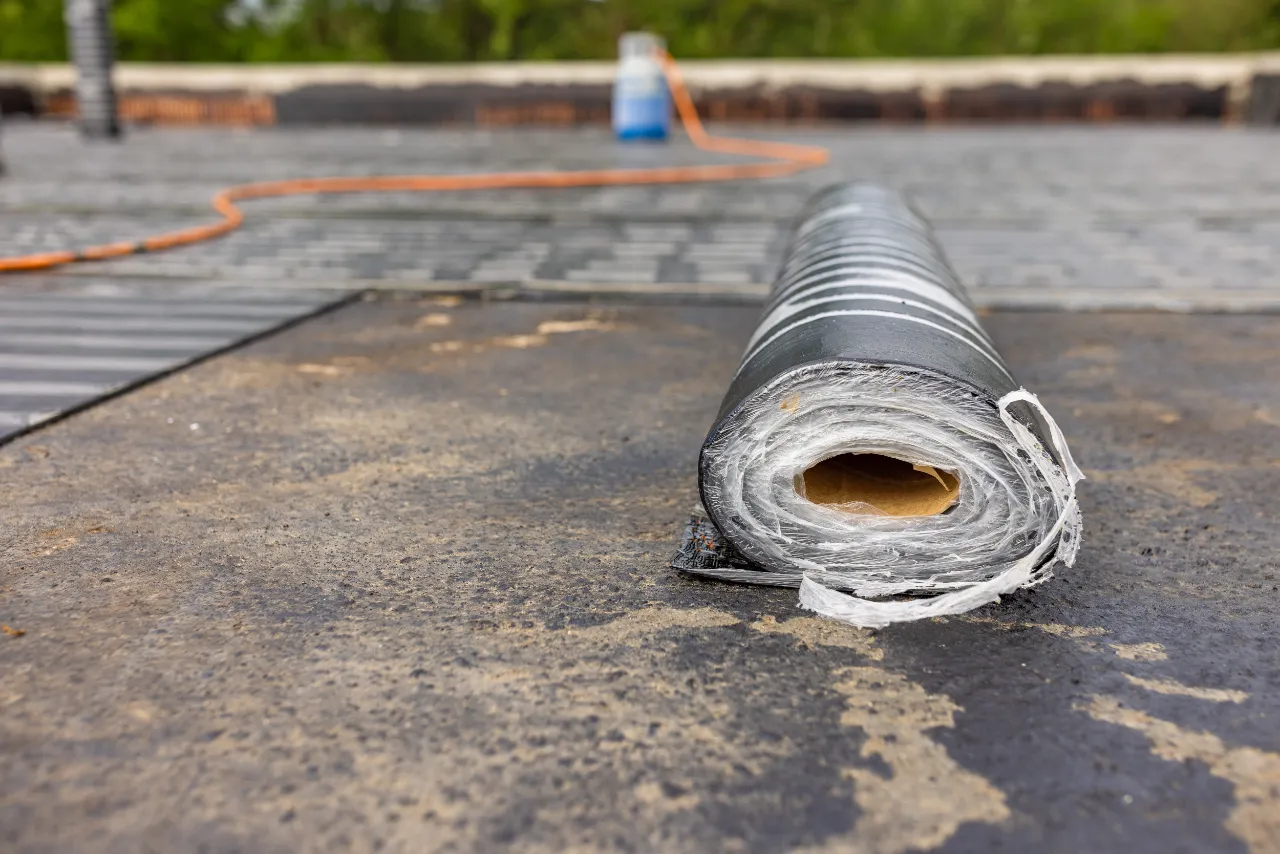
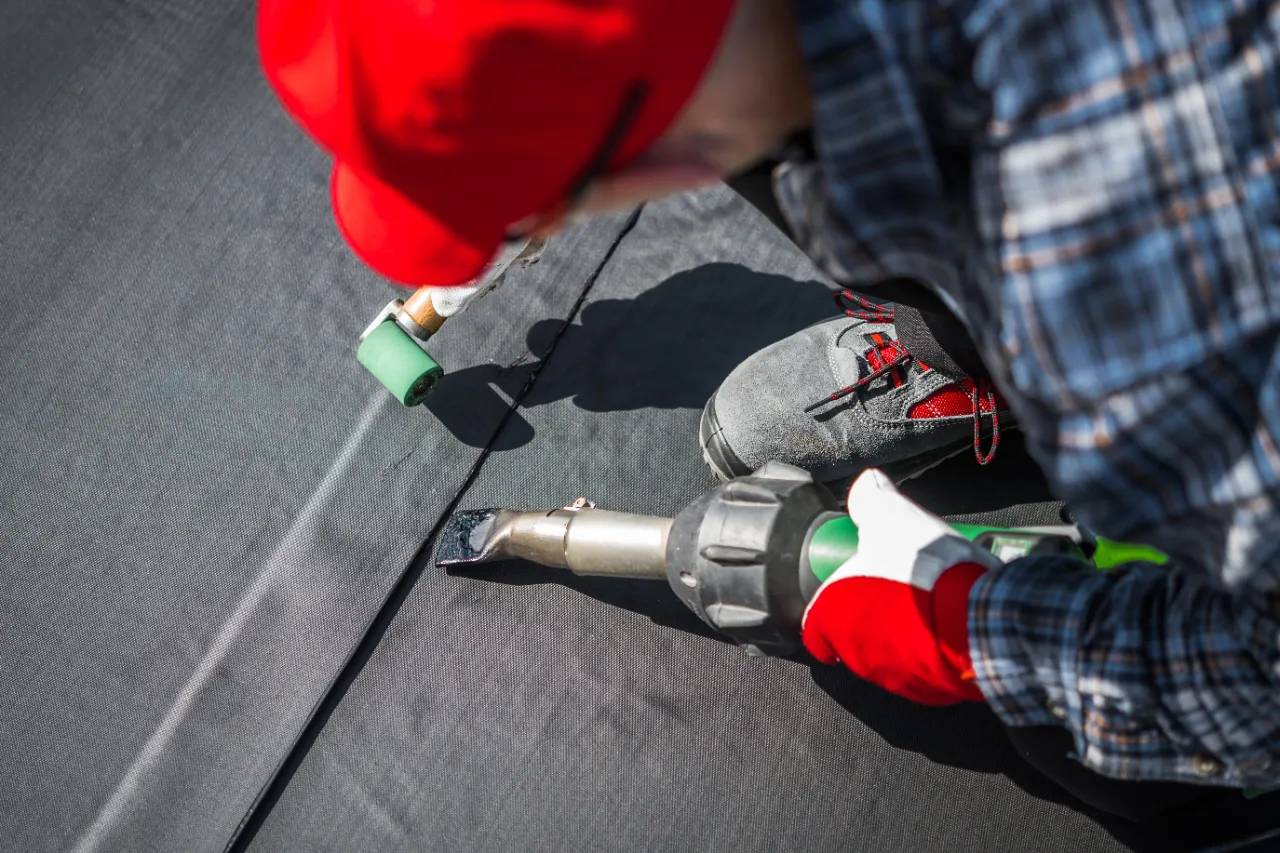
The three primary flat roofing systems installed on New Jersey properties are TPO (thermoplastic polyolefin), EPDM (ethylene propylene diene monomer), and modified bitumen. Each system has specific performance characteristics, installation requirements, and appropriate applications. TPO is the current standard for most commercial flat roofing in New Jersey — its heat-welded seams provide a watertight bond stronger than the membrane itself, eliminating the most common flat roof failure point.
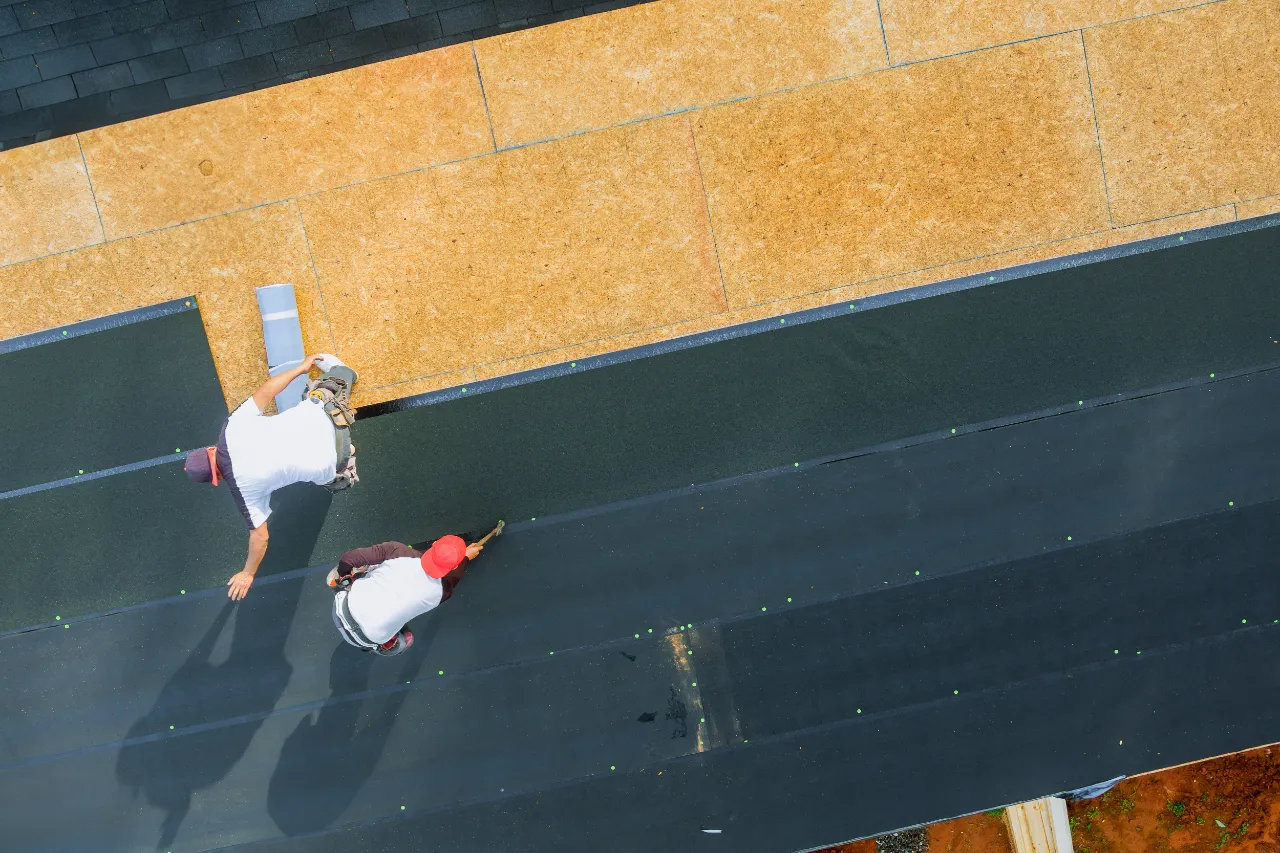
EPDM is well-suited for residential flat roofing and low-slope sections on residential properties. Its flexibility at low temperatures makes it appropriate for New Jersey's winter conditions, and its proven track record over decades of installation provides predictable performance for the residential applications where it is specified. Modified bitumen is recommended where rooftop foot traffic is frequent, complex penetration patterns require a reinforced membrane, or applications call for the granulated cap sheet's UV and impact resistance.
Insulation specification is as important as the membrane itself on every flat roofing project. New Jersey's commercial energy code establishes minimum R-value requirements for commercial roofing assemblies, and the insulation thickness must be matched to the climate zone for the membrane to perform without thermal stress that shortens service life. Warrior Construction specifies polyisocyanurate insulation to current code requirements on every flat roof installation.
- TPO, EPDM & modified bitumen — matched to building type
- Heat-welded seams on TPO commercial installations
- Polyisocyanurate insulation to NJ energy code